

Choosing Custom Orthotics for Athletes Through Professional Foot Evaluations
Why Understanding Individual Foot Mechanics Matters Before Selecting Orthotic Support
The first clue that something is off may arrive halfway through a training session. One foot starts aching, a familiar hot spot returns, or a pair of shoes suddenly feels less comfortable than it did last month. Replacing the shoes is tempting, but the problem may involve how the feet handle movement and pressure. That is why choosing custom orthotics for athletes should begin with a proper evaluation, not a guess at the sporting goods store. Repeated discomfort deserves more curiosity than a quick purchase can offer. A qualified clinician can look at the bigger picture, including symptoms, training demands, and whether an insert is even the right solution.
No two athletes move in quite the same way. A sprinter pushes off differently from a distance runner, while a volleyball player spends plenty of time jumping, landing, and moving sideways. Foot shape is only one piece of the puzzle. During an assessment, a clinician may observe standing posture, walking or running patterns, joint movement, and areas of tenderness. They may also ask when discomfort appears, which surfaces the athlete trains on, and whether a recent increase in activity coincided with the problem. Those everyday details can reveal more than a footprint or shoe size alone. Recovery patterns deserve a mention during that conversation too.
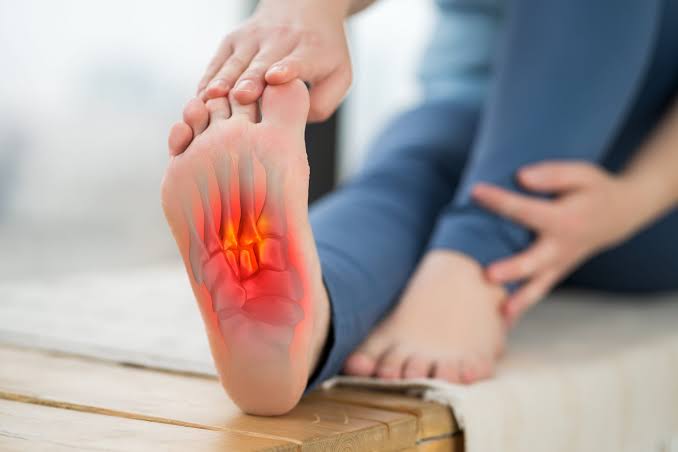
Footwear deserves attention during the appointment too. A beautifully made insert will not help much if it crowds the toes, lifts the heel awkwardly, or shifts inside the shoe. Bringing the trainers or cleats used most often gives the clinician something practical to examine. Worn soles may offer clues about use, although wear patterns alone cannot diagnose a movement problem. Depending on the findings, the recommendation might involve a different shoe, changes to training, strengthening exercises, or an orthotic designed to alter pressure at a particular spot. Personalized care means considering several options rather than assuming an expensive device is always necessary.
When custom support is appropriate, fitting should be treated as a process, not a one-time purchase. Measurements or impressions help guide the design, but comfort during actual movement matters just as much. The athlete may need a gradual adjustment period, especially when wearing the device during longer workouts. New rubbing, increased pain, or an awkward change in stride should prompt a follow-up rather than an attempt to push through. Clinicians can check the fit and make adjustments when needed. Sometimes, a small adjustment makes a noticeable difference. An orthotic should work with the chosen footwear and the athlete’s normal activities, not become another obstacle during training.
The purpose of a good evaluation is not to promise faster times or guarantee freedom from injury. It is to understand what may be contributing to discomfort and choose sensible support for that particular person. Some athletes benefit from targeted inserts, while others do better with footwear changes or a broader treatment plan. For anyone considering custom orthotics for athletes, a conversation with a qualified foot-care professional is a useful starting point. Bringing along current shoes and a clear description of symptoms makes that conversation more productive. A little investigation now can lead to more comfortable sessions, with fewer assumptions guiding the next step.
…